FORMS
An inquiry into Goethe's theory of color through emitted light, form, and eye.

Form 01
A nearly-vanishing disc tests the threshold at which form stops being seen as object and begins to exist as afterimage, atmosphere, and memory.

Form 02
Here the blue bar becomes less a shape than a chromatic pressure, asserting how emitted color can stand upright in the eye before it stands securely in space.

Form 03
Against a darker field, the same vertical form shifts from declaration to apparition, showing that color changes not by identity but by relation.
Form 04
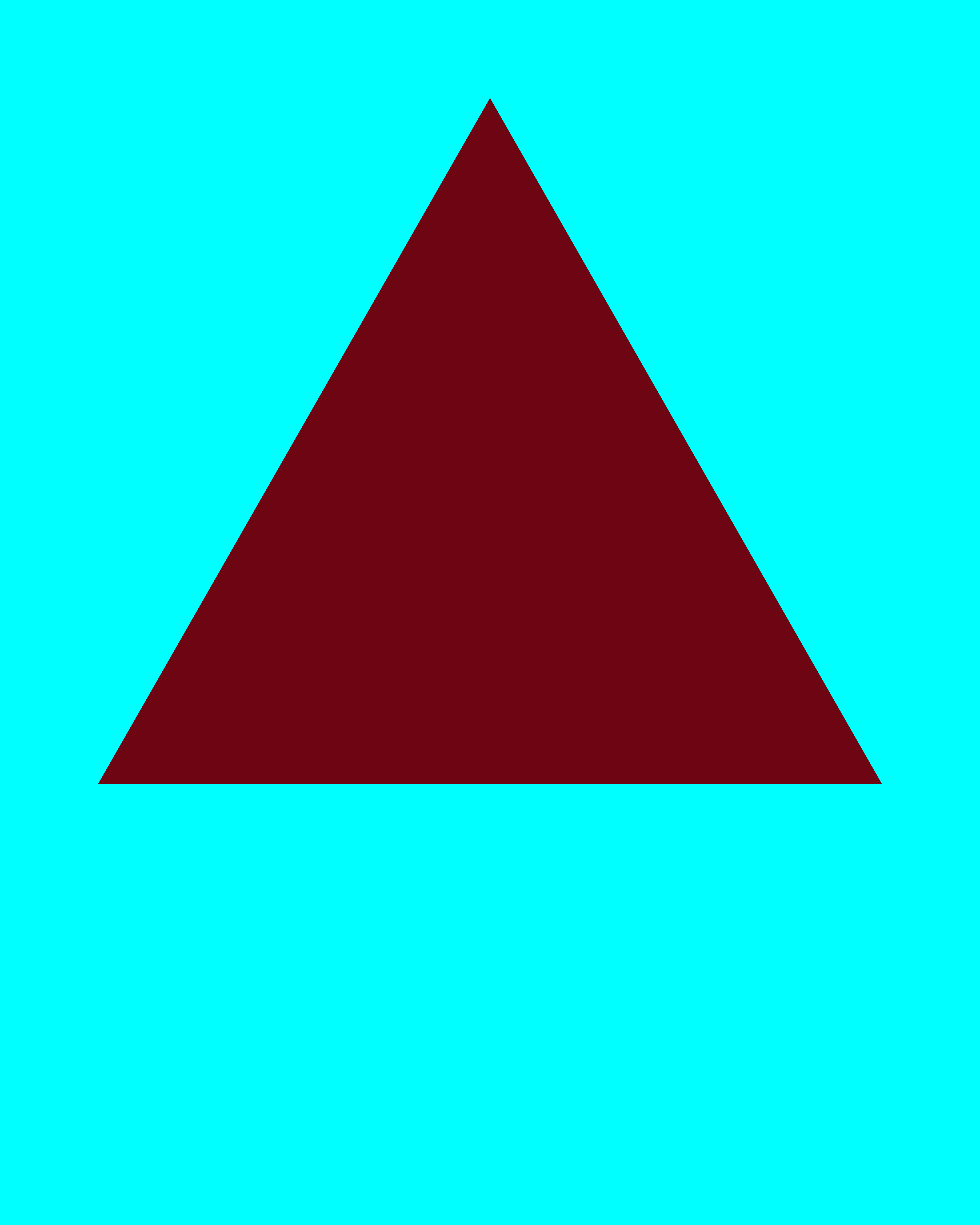
This red triangle on cyan turns geometric stability into optical strain, making the most elementary figure feel volatile and alive.
Form 05
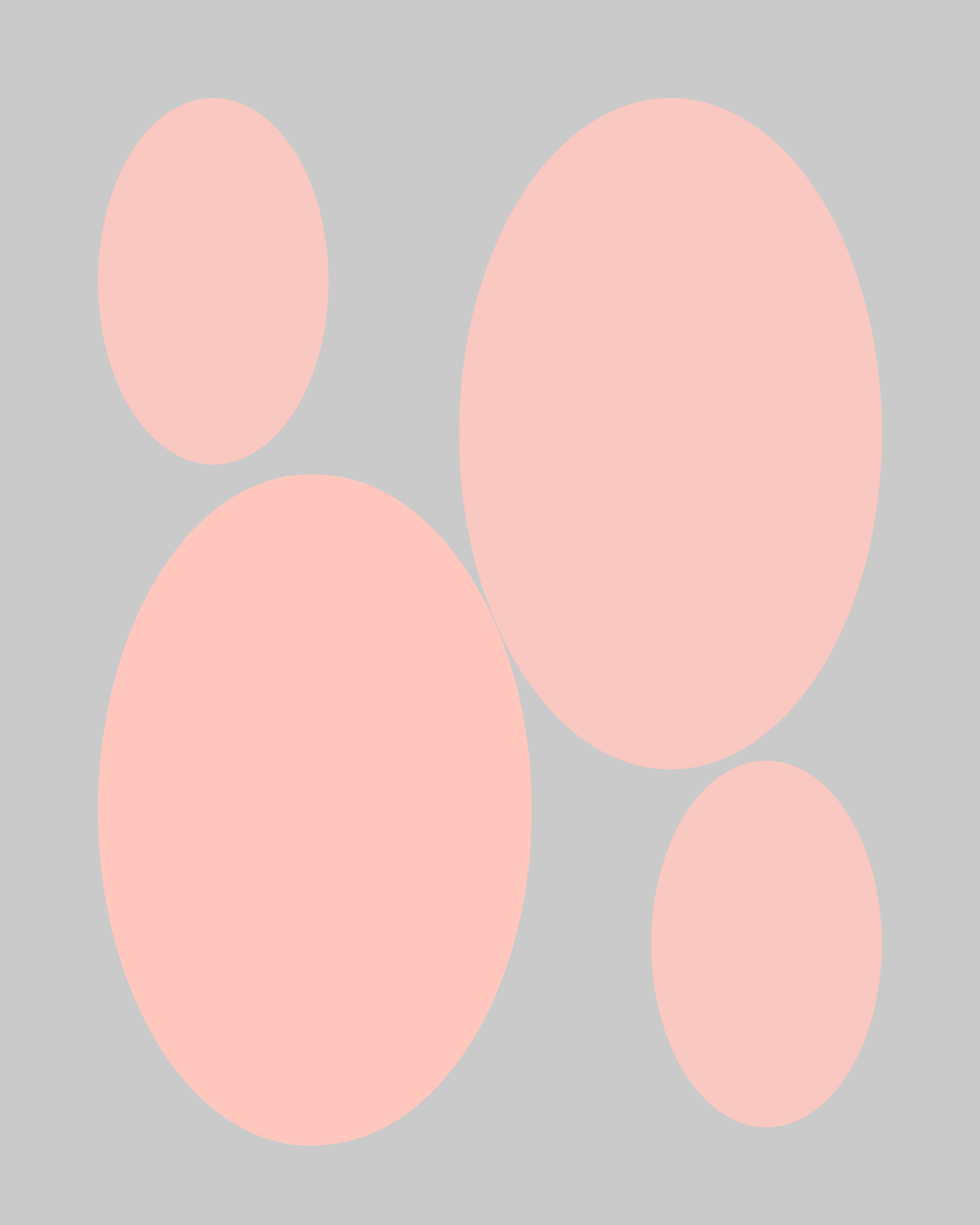
Soft pink ellipses float like perceptual fragments, suggesting that form is never fixed but gathered provisionally by the viewer.
Form 06
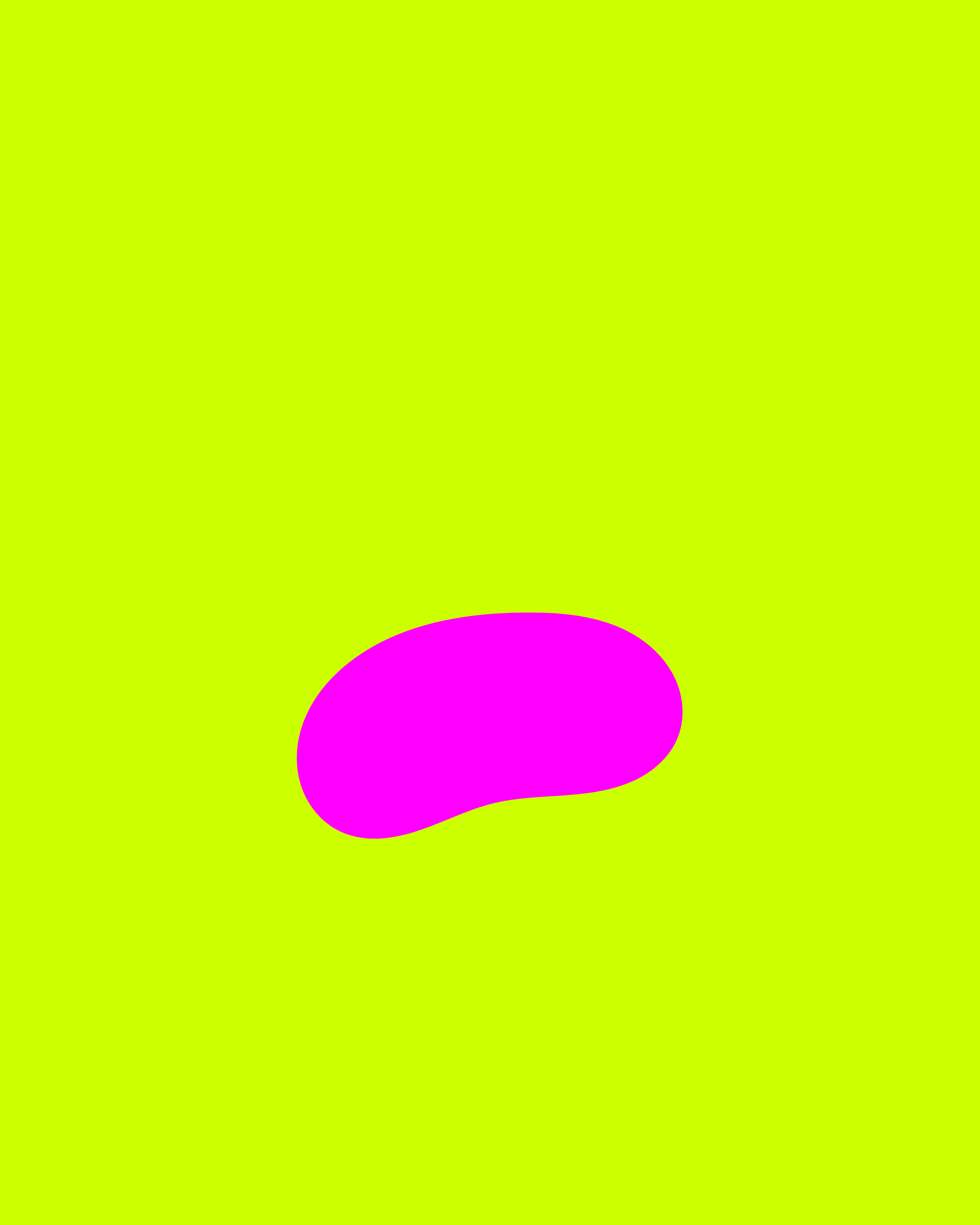
A single biomorphic accent on an acid field demonstrates how extreme complementarity can make a small event feel physically disproportionate.
Form 07
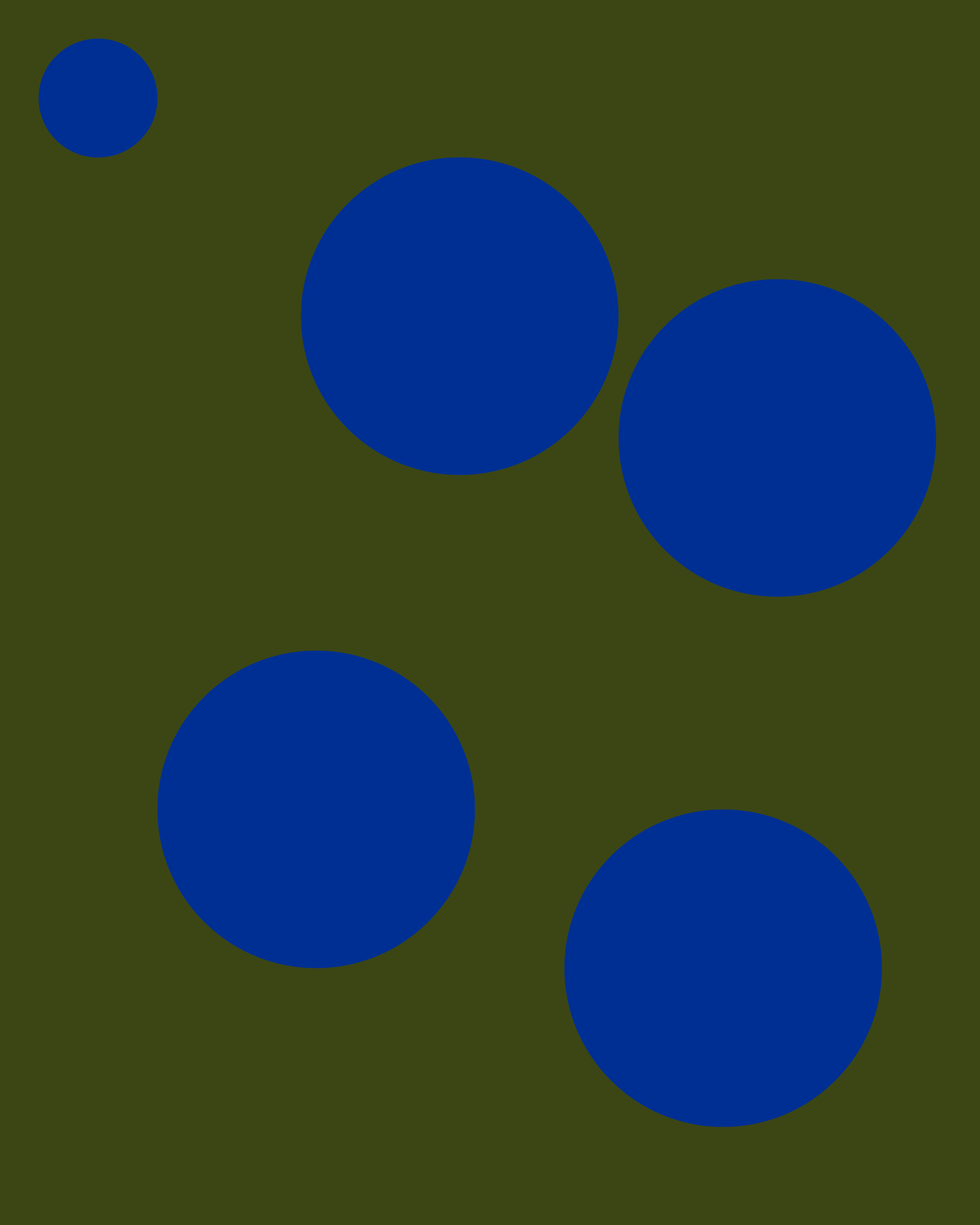
Scattered blue circles resist compositional hierarchy, proposing vision as a field of moving attractions rather than a single point of rest.
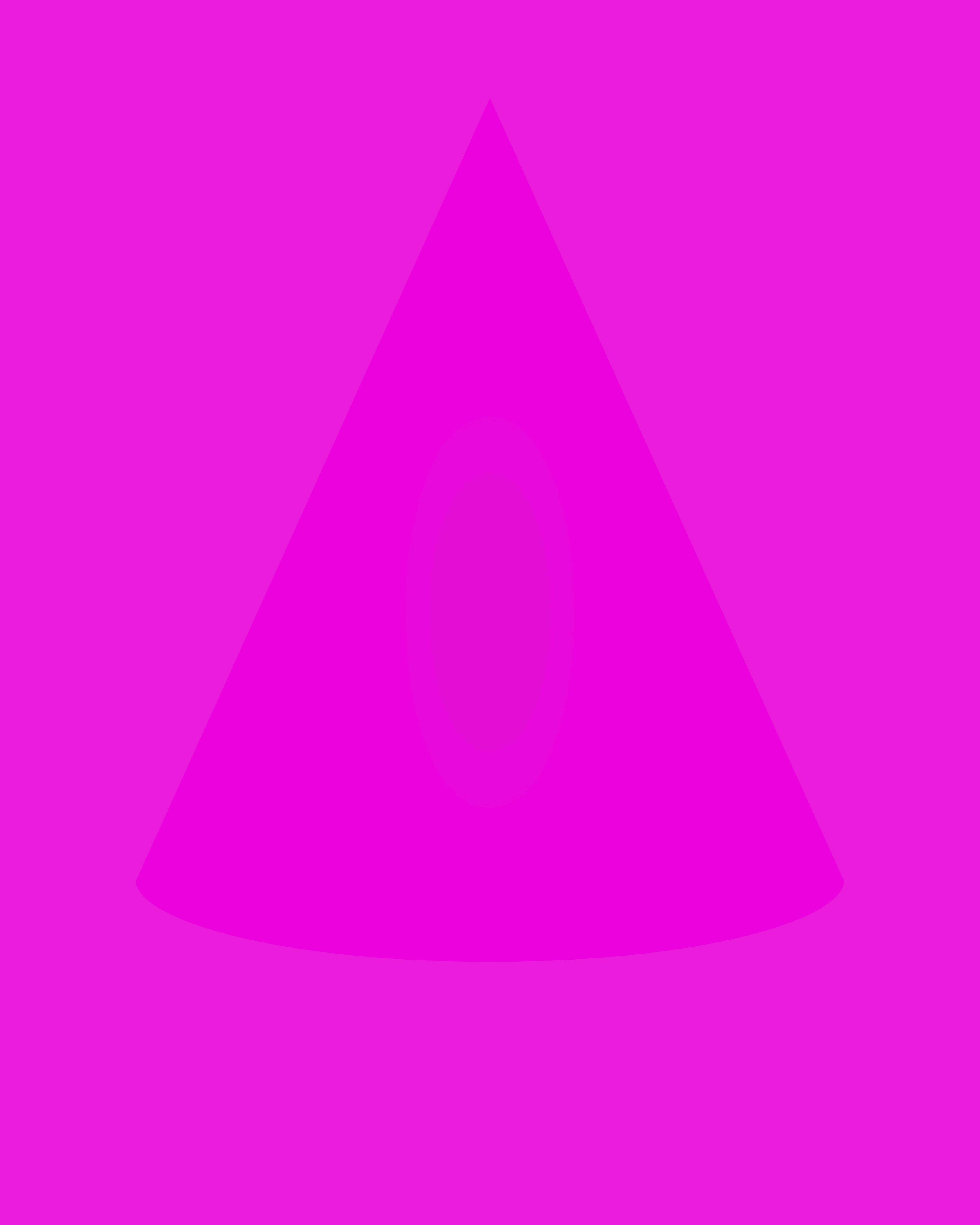
Form 08
The cone-like form emerges less through contour than through chromatic vibration, as if volume were being generated directly by light.
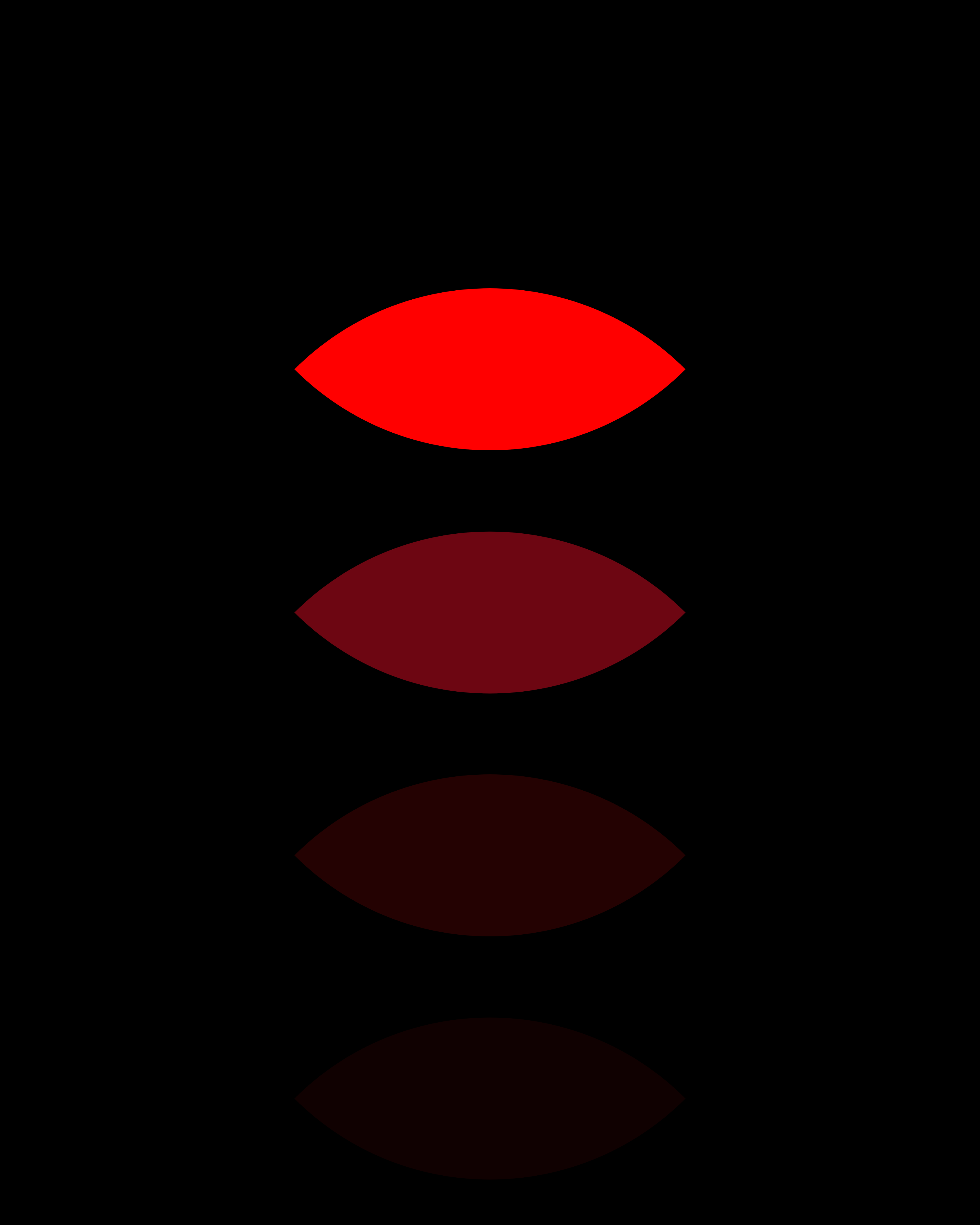
Form 09
These receding red mandorlas read like retinal echoes, turning repetition into a study of persistence, dimming, and perceptual descent.
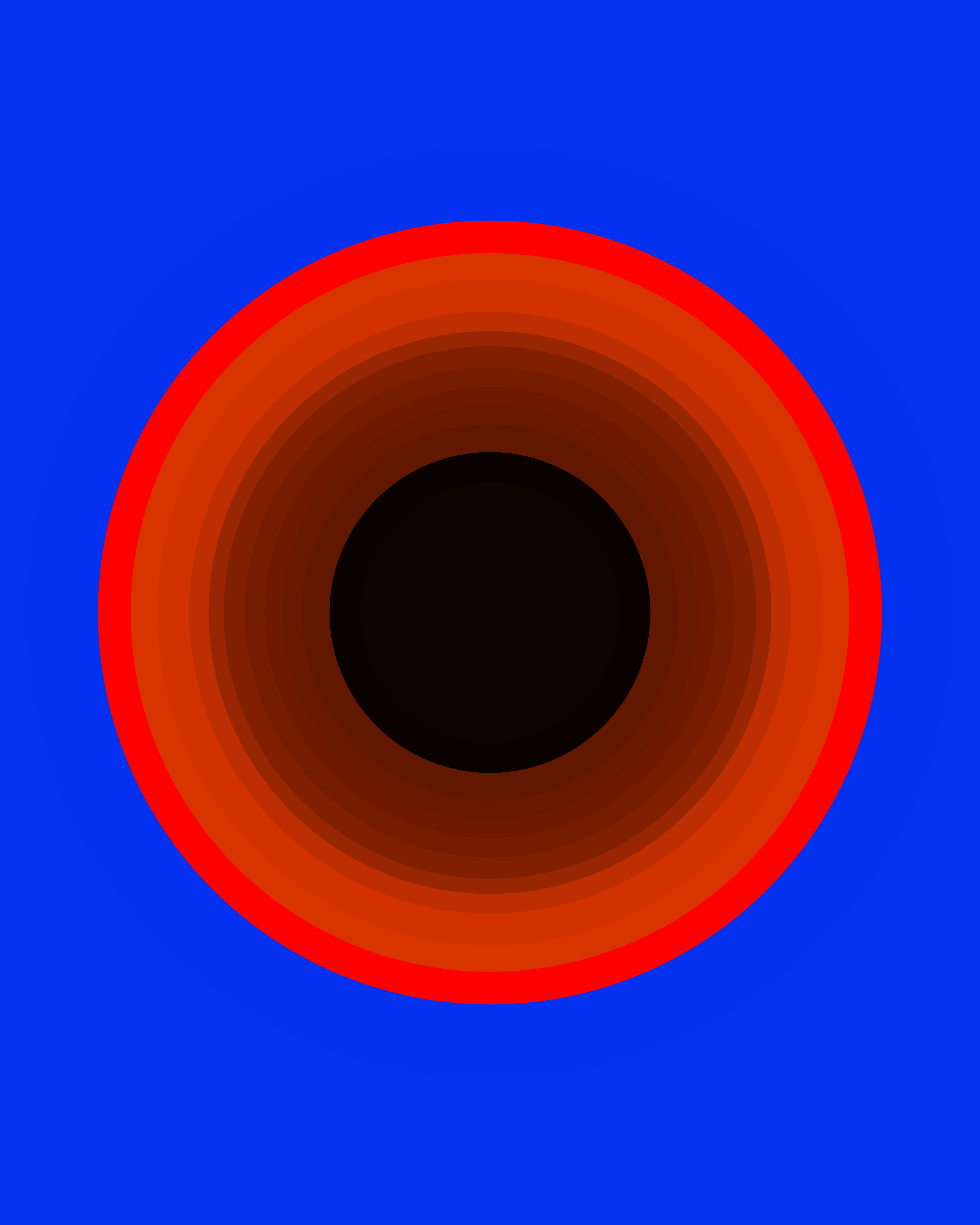
Form 10
The concentric target compresses depth into pure optical heat, making color behave as radiation rather than surface.
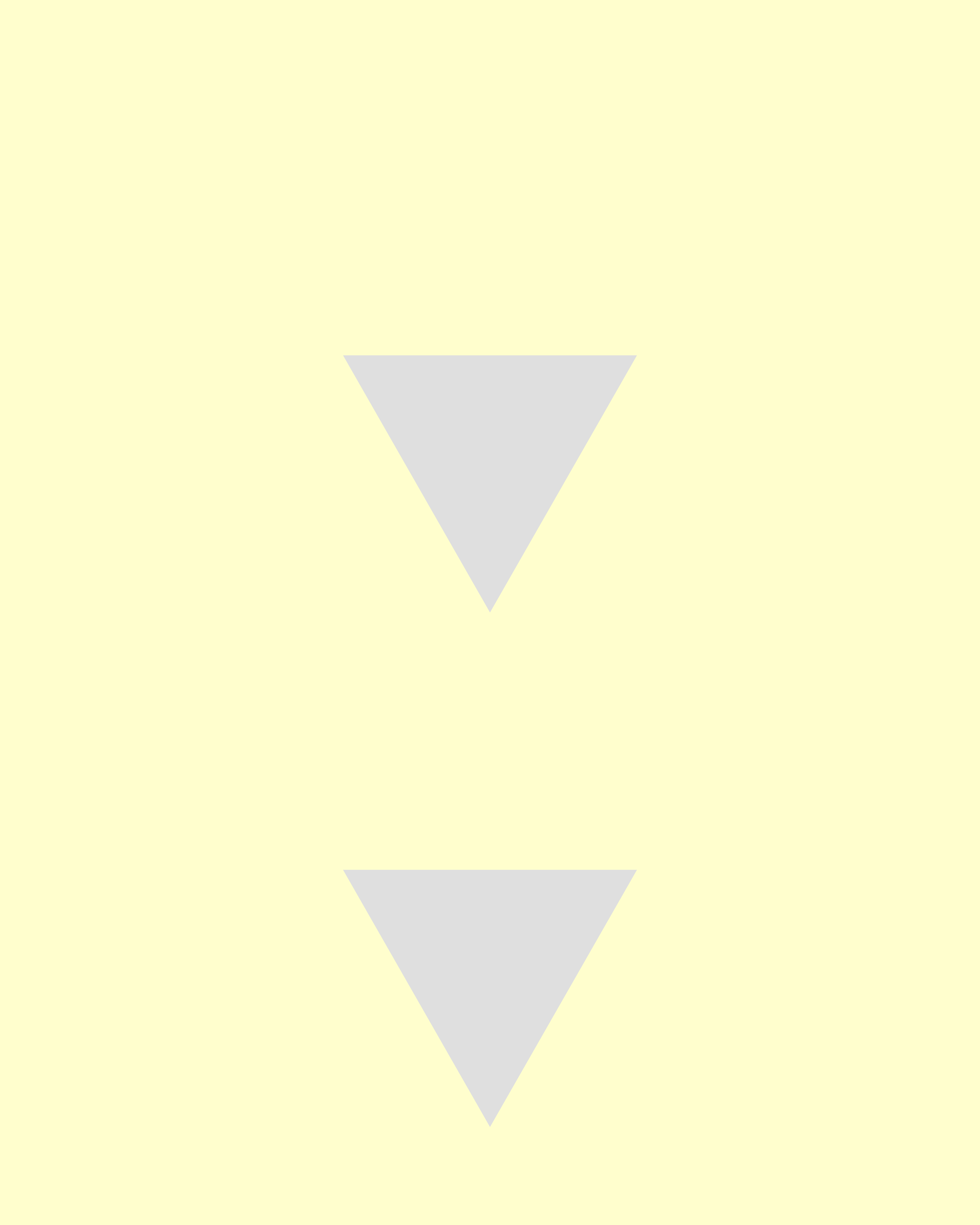
Form 11
Two pale inverted triangles make immediate legibility feel unexpectedly delicate, proving that force is not required for presence.
Form 12
This segmented construction balances play and severity, using curved quarters to show that geometry can pivot between symbol and architecture.
Form 13
The dark diamond sits like a withheld revelation, a form that clarifies only by refusing to fully separate from its ground.
Form 14
Suspended shapes and an unstable center turn symmetry into tension, suggesting that balance in this series is always a living negotiation.

Form 15
The mirrored arrows compress attraction and repulsion into one sign, making direction itself feel reversible and unresolved.
Form 16
A muted polygon on yellow stages the paradox of soft impact, where the eye discovers structure only after the initial glare subsides.

Form 17
This near-monochrome field radicalizes reduction, asking whether color alone, without incident, can still operate as an event.
Form 18
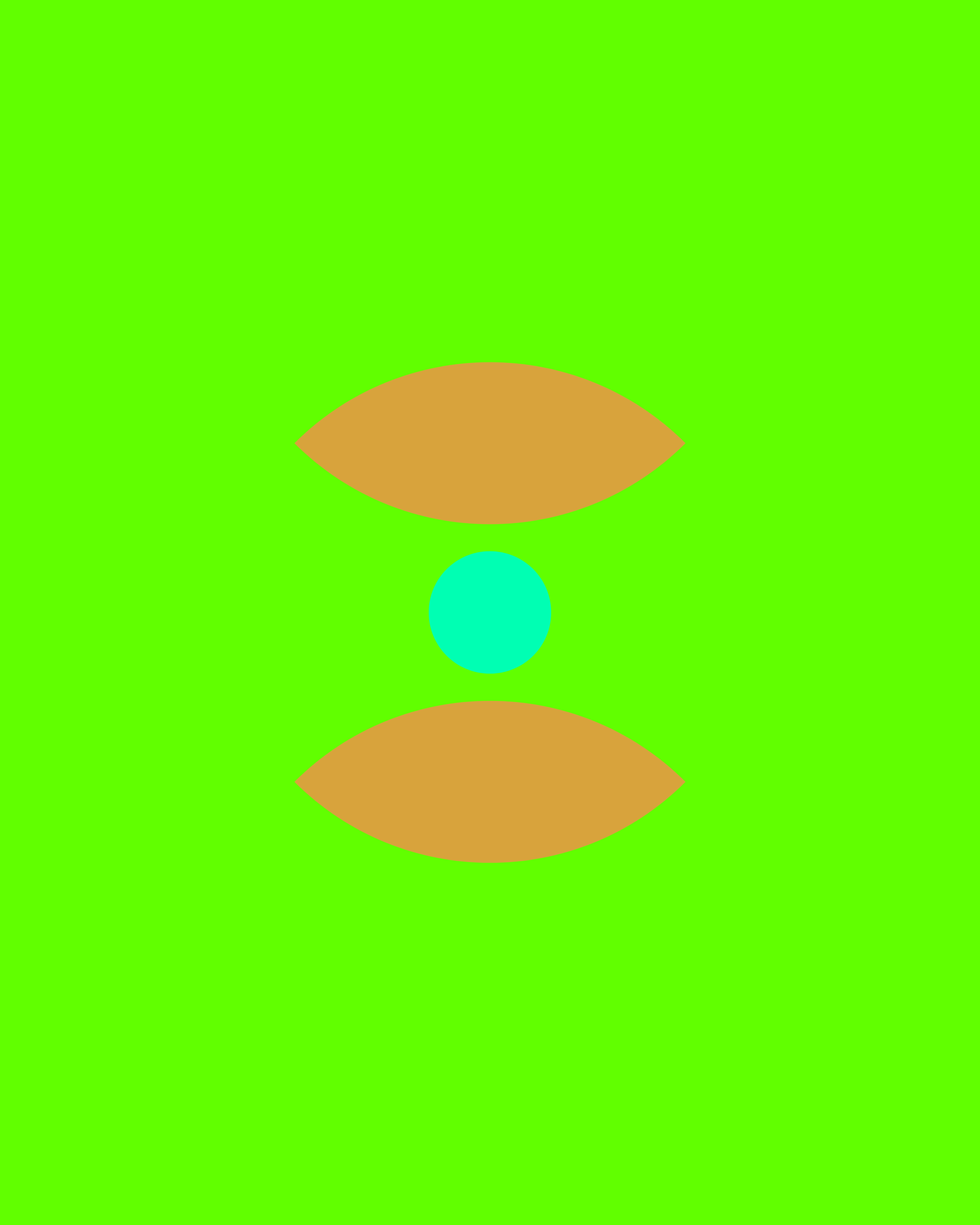
Two ochre forms and a turquoise center create a perceptual hinge, as if the image were held together by a small, luminous act of mediation.
Form 19
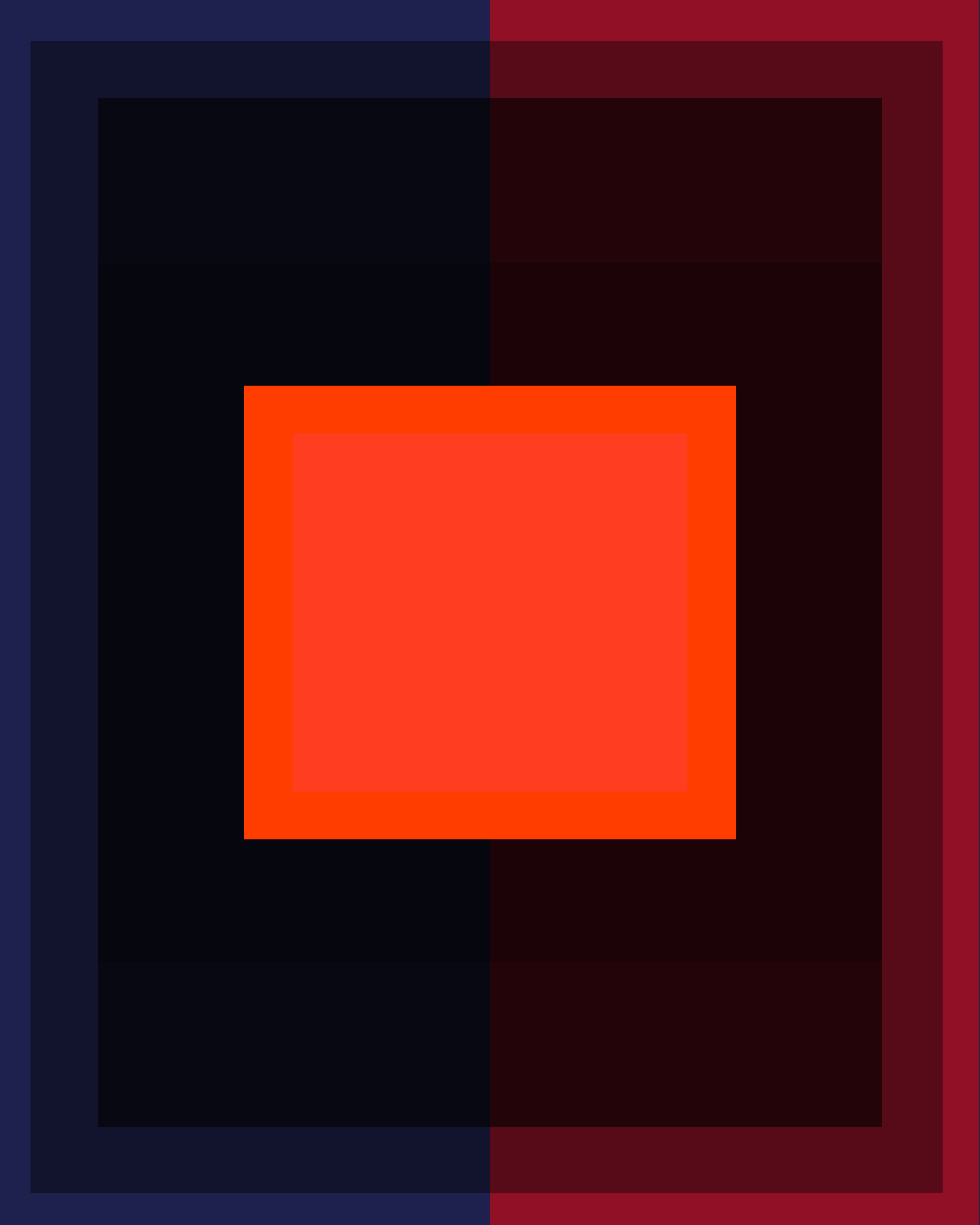
Nested translucent squares thicken the screen into layers, showing digital light not as flatness but as accumulated depth and interference.
Form 20
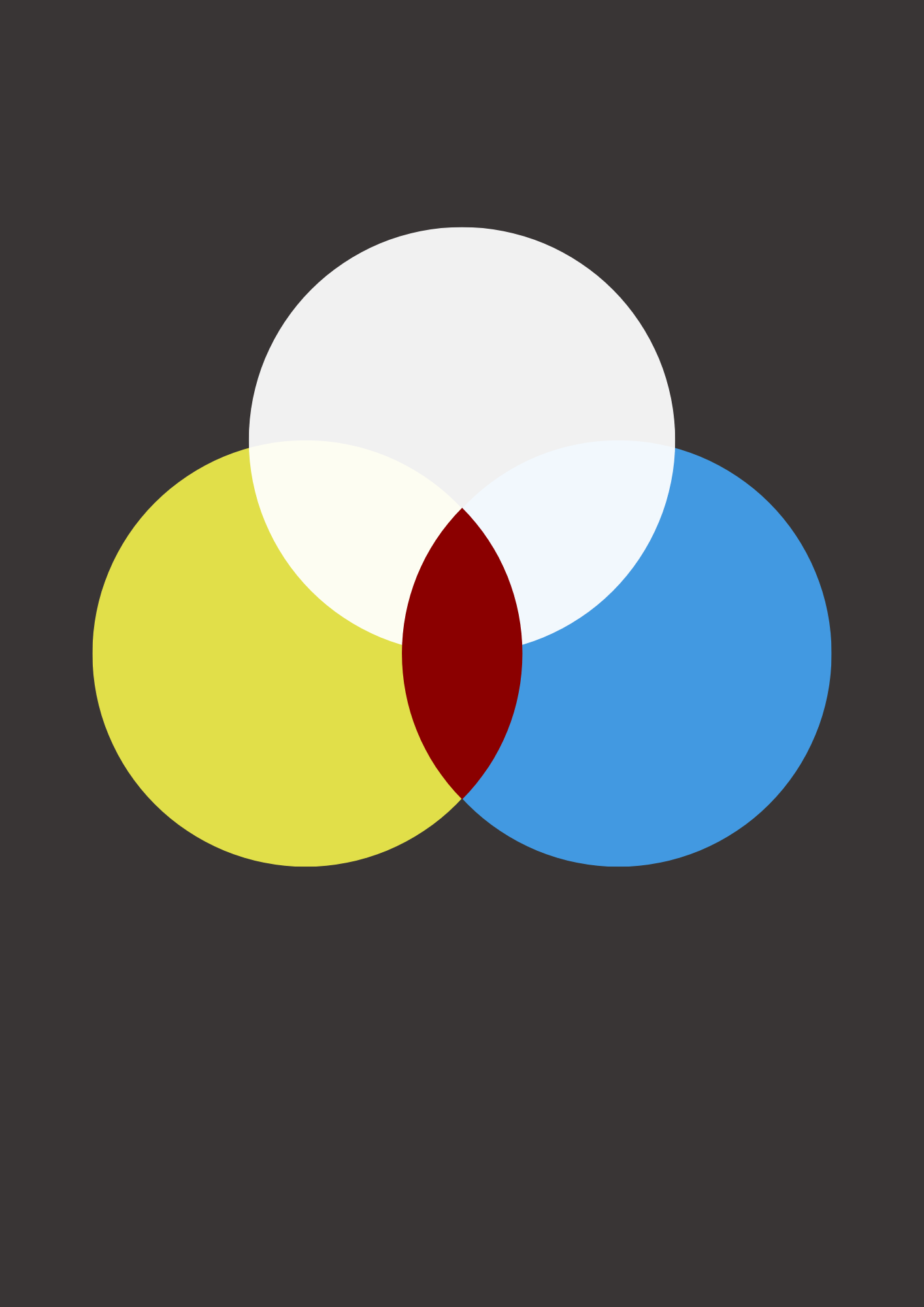
Overlapping circles become a lesson in relational color: each zone is less a pigment than a temporary treaty between competing lights.
Form 21
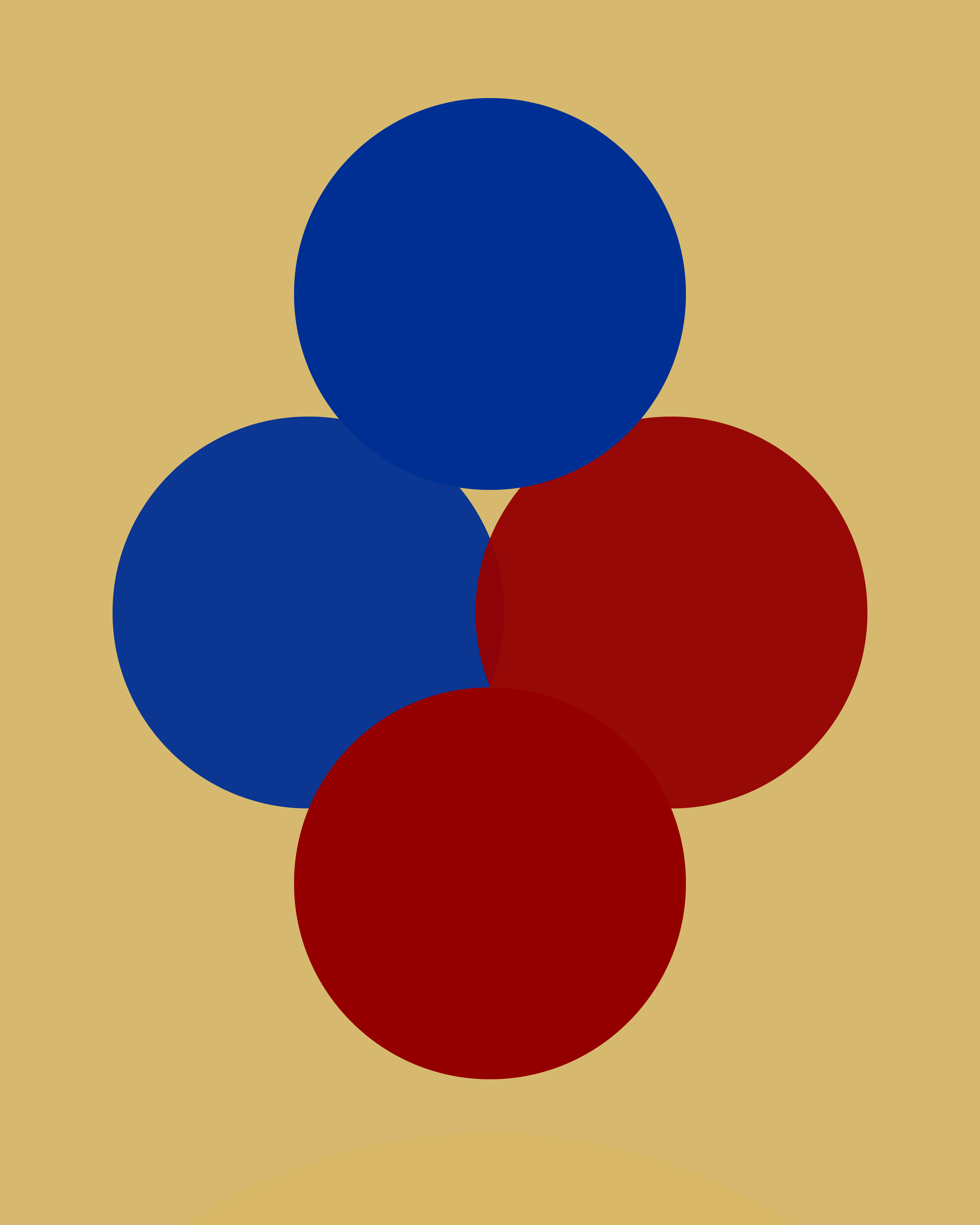
Red and blue discs gather into a precarious cluster, making chromatic opposition feel held together by a fragile, almost social equilibrium.
Form 22
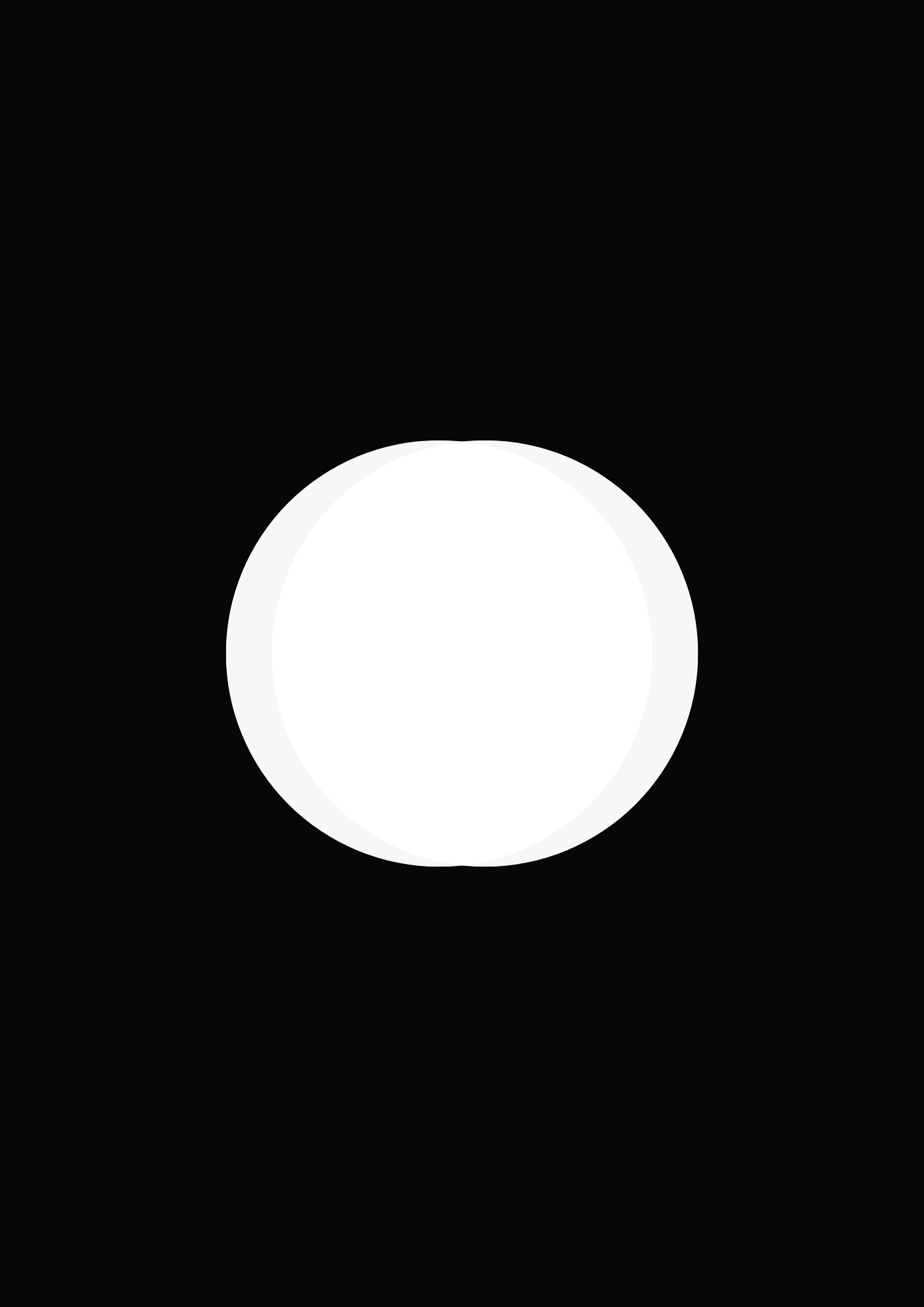
The pale circle on black turns luminosity into presence, presenting white not as neutrality but as an active force pressing outward from darkness.
Form 23
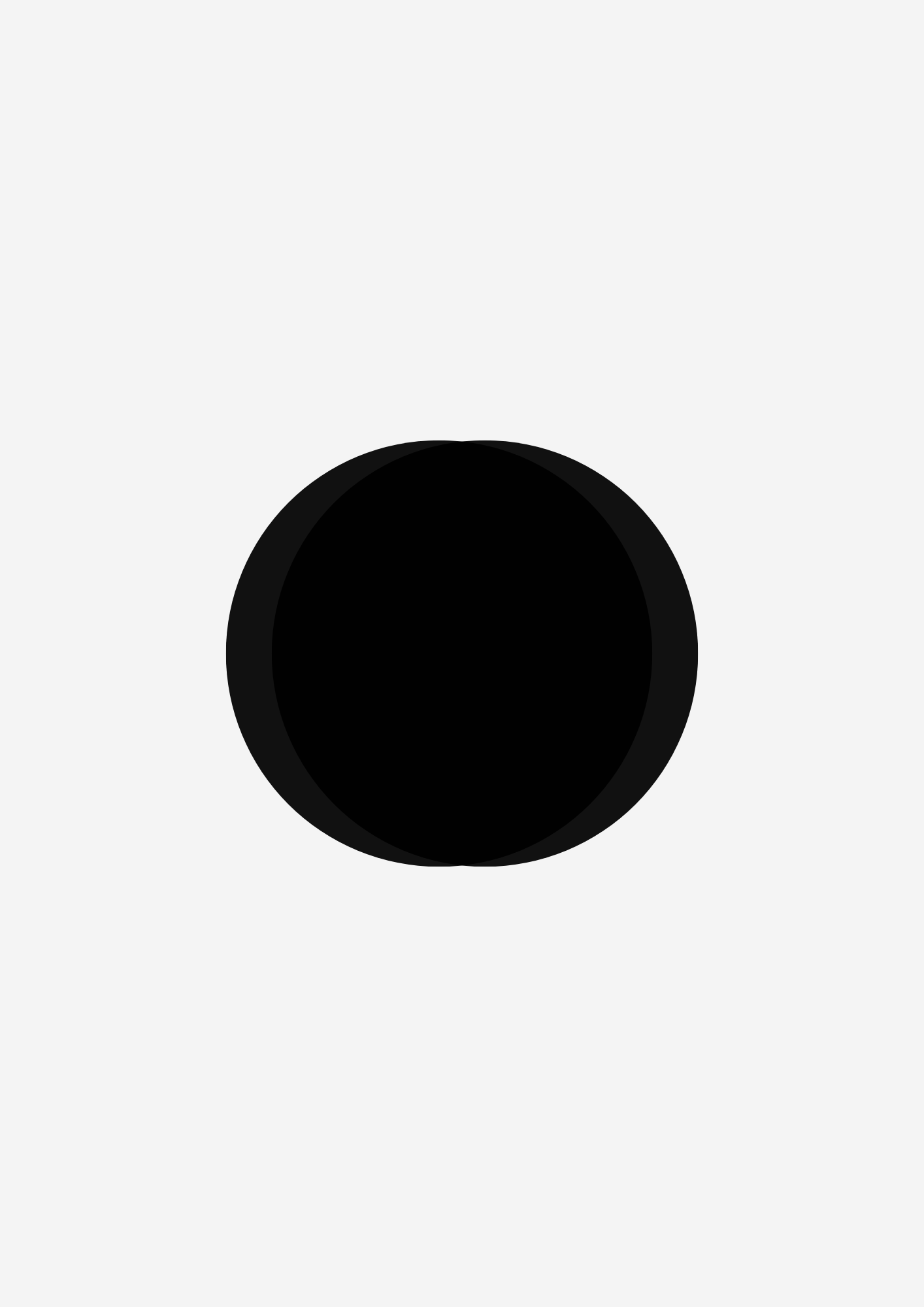
In reversal, the black circle on light becomes a perceptual sink, proving that absence can project as strongly as illumination.

Form 24
This final, almost invisible rectangle returns the series to the threshold, where looking slows enough for darkness itself to begin articulating form.
"Colours are the deeds and sufferings of light."
— Johann Wolfgang von GoetheArtist Statement
Forms is a series of digital works where I explore perception itself as a medium. Influenced by Goethe's theory of color, the project explores what happens when simple geometric structures are placed in charged chromatic fields of emitted light.
These images do not resolve at a glance. They unfold over time, producing afterimages, optical tension, retinal burn, and subtle shifts in spatial sensation. Forms seem to hover, recede, or detach from the screen as the viewer remains with them. An update to Goethe's "Visionary images." This emphasizes a duration, staying with the work, juxtaposed against a world of torrential digital downpour. It imagines the digital as solid in time.
Rather than offering fixed representations, the series stages a relationship between work and observer. Each image changes according to duration, sequence, memory, and the physiological activity of the eye itself. In this way, Forms transforms digital color from a merely graphic tool into a site of lived experience. A relationship of the viewer and the viewed. The result is a visual mantra: a meditation on how seeing is never passive, and never finished.
Inquiries
For collectors and galleries